Thursday, April 18, 2019

Thursday April 18th Day 39

CHAPTER 14 From Appeasement to War


10.8 Students analyze the causes and consequences of World War II.
Objective:
students will be able to:
-Compare the German, Italian, and Japanese drives for empire in the 1930s, including the 1937 Rape of Nanking, other atrocities in China, and the Stalin-Hitler Pact of 1939.

-Understand the role of appeasement, nonintervention (isolationism), and the domestic distractions in Europe and the United States prior to the outbreak of World War II.

-Identify and locate the Allied and Axis powers on a map and discuss the major turning points of the war, the principal theaters of conflict, key strategic decisions, and the resulting war conferences and political resolutions, with emphasis on the importance of geographic factors.

-Describe the political, diplomatic, and military leaders during the war (e.g., Winston Churchill, Franklin Delano Roosevelt, Emperor Hirohito, Adolf Hitler, Benito Mussolini, Joseph Stalin, Douglas MacArthur, Dwight Eisenhower).

-Analyze the Nazi policy of pursuing racial purity, especially against the European Jews; its transformation into the Final Solution; and the Holocaust that resulted in the murder of six million Jewish civilians.

-Discuss the human costs of the war, with particular attention to the civilian and military losses in Russia, Germany, Britain, the United States, China, and Japan.      

-Analyze the threat to world peace posed by dictators in the 1930's and how the Western democracies responded.

-Summarize the ways in which continuing Nazi aggression led Europe to war.

Rationale:
In the aftermath of World War I Totalitarian regimes grew from the rubble. The emergence of Mussolini, Hitler, Stalin, and Tojo would forever change the post-war landscape and put the world on a path to repeat the atrocities of the first World War but with superior weaponry and a more ruthless approach. Understanding the conditions which led to this rise is important, and can provide students a measuring stick in which to evaluate current political conflicts around the globe.

Evidence:
Being able to list the conditions for the totalitarian rise, the effects of various totalitarian leaders on their countries, and the response of allied powers will give students a clear understanding of what caused World War II

___________________________________________________________________________________________

Essential Question -Appeasement, what is it, does it ever work


Journal Entry: 
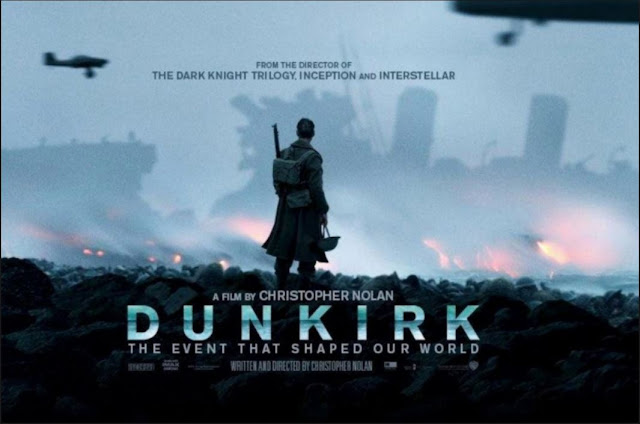
#3 -  (A) What was the Miracle at Dunkirk, and what effect did it have on British morale?

(B) What was Hitler’s “New Order” who did he think was inferior and who was superior?

Appeasement Presentation

Part 2 of Appeasement Section

For tonight.....
Video Munich Pact (watch this video as part of understanding the Munich Agreement)

CHAPTER 14 -Section #2 Assignments/Activities/Work

Appeasement Presentation Continued....with a new student outline
Rape of Europa (we'll watch as much as we can Thursday, and finish it Monday)

CHAPTER OUTLINES
Chapter 14 Section #3 Outline - Due Monday Night (4/21)
Section #3 PDF
Nazi Germany Motivations (video to be shown in class)

Chapter 14 Sectional Presentation

Chapter 14 Test -TBD


Tuesday, April 16, 2019

Tuesday April 16, Day 38

CHAPTER 14 From Appeasement to War


10.8 Students analyze the causes and consequences of World War II.
Objective:
students will be able to:
-Compare the German, Italian, and Japanese drives for empire in the 1930s, including the 1937 Rape of Nanking, other atrocities in China, and the Stalin-Hitler Pact of 1939.

-Understand the role of appeasement, nonintervention (isolationism), and the domestic distractions in Europe and the United States prior to the outbreak of World War II.

-Identify and locate the Allied and Axis powers on a map and discuss the major turning points of the war, the principal theaters of conflict, key strategic decisions, and the resulting war conferences and political resolutions, with emphasis on the importance of geographic factors.

-Describe the political, diplomatic, and military leaders during the war (e.g., Winston Churchill, Franklin Delano Roosevelt, Emperor Hirohito, Adolf Hitler, Benito Mussolini, Joseph Stalin, Douglas MacArthur, Dwight Eisenhower).

-Analyze the Nazi policy of pursuing racial purity, especially against the European Jews; its transformation into the Final Solution; and the Holocaust that resulted in the murder of six million Jewish civilians.

-Discuss the human costs of the war, with particular attention to the civilian and military losses in Russia, Germany, Britain, the United States, China, and Japan.      

-Analyze the threat to world peace posed by dictators in the 1930's and how the Western democracies responded.

-Summarize the ways in which continuing Nazi aggression led Europe to war.

Rationale:
In the aftermath of World War I Totalitarian regimes grew from the rubble. The emergence of Mussolini, Hitler, Stalin, and Tojo would forever change the post-war landscape and put the world on a path to repeat the atrocities of the first World War but with superior weaponry and a more ruthless approach. Understanding the conditions which led to this rise is important, and can provide students a measuring stick in which to evaluate current political conflicts around the globe.

Evidence:
Being able to list the conditions for the totalitarian rise, the effects of various totalitarian leaders on their countries, and the response of allied powers will give students a clear understanding of what caused World War II

___________________________________________________________________________________________

Essential Question -Appeasement, what is it, does it ever work


Journal Entry: 
#2 - What were the 5 “appeasement” reasons listed that prevented Germany from being stopped or discouraged

You will be placed in partnerships based on the number of your seat. The odd number is partnered with the even number above them (i.e 1 is partnered with 2, 3 is partnered with 4, etc). You will be provided two sets of primary docs to review (odd number does A and B, Even number does C,D,E). Once you have finished the docs and written your hypothesis, each person will compare their hypothesis to see if there is an agreement or not. If agreed, identify what factors/reasons you agree on, if disagreement, identify what factors/reasons you disagree

Part 2 of Appeasement Section
March 12, 1938 - Anuschluss (Invasion of Austria)
Munich Pact Agreement  -September 29, 1938
Munich Pact Questions
Oct 1938 Germany invades Sudetenland (Czech)

Part 3 of Appeasement Section
Video Munich Pact

CHAPTER OUTLINES

Chapter 14 Section #2 Outline - Due Wednesday Night (4/17)

Chapter 14 Section #3 Outline - Due Sunday Night (4/21)

Chapter 14 Sectional Presentation


Chapter 14 Test -TBD


For after the presentation...(Due Friday Night)

Monday, April 15, 2019

Monday April 15th Day 37

CHAPTER 14 From Appeasement to War

10.8 Students analyze the causes and consequences of World War II.
Objective:
students will be able to:
-Compare the German, Italian, and Japanese drives for empire in the 1930s, including the 1937 Rape of Nanking, other atrocities in China, and the Stalin-Hitler Pact of 1939.

-Understand the role of appeasement, nonintervention (isolationism), and the domestic distractions in Europe and the United States prior to the outbreak of World War II.

-Identify and locate the Allied and Axis powers on a map and discuss the major turning points of the war, the principal theaters of conflict, key strategic decisions, and the resulting war conferences and political resolutions, with emphasis on the importance of geographic factors.

-Describe the political, diplomatic, and military leaders during the war (e.g., Winston Churchill, Franklin Delano Roosevelt, Emperor Hirohito, Adolf Hitler, Benito Mussolini, Joseph Stalin, Douglas MacArthur, Dwight Eisenhower).

-Analyze the Nazi policy of pursuing racial purity, especially against the European Jews; its transformation into the Final Solution; and the Holocaust that resulted in the murder of six million Jewish civilians.

-Discuss the human costs of the war, with particular attention to the civilian and military losses in Russia, Germany, Britain, the United States, China, and Japan.      

-Analyze the threat to world peace posed by dictators in the 1930's and how the Western democracies responded.

-Summarize the ways in which continuing Nazi aggression led Europe to war.

Rationale:
In the aftermath of World War I Totalitarian regimes grew from the rubble. The emergence of Mussolini, Hitler, Stalin, and Tojo would forever change the post-war landscape and put the world on a path to repeat the atrocities of the first World War but with superior weaponry and a more ruthless approach. Understanding the conditions which led to this rise is important, and can provide students a measuring stick in which to evaluate current political conflicts around the globe.

Evidence:
Being able to list the conditions for the totalitarian rise, the effects of various totalitarian leaders on their countries, and the response of allied powers will give students a clear understanding of what caused World War II

___________________________________________________________________________________________

Essential Question -Appeasement, what is it, does it ever work

Journal Entry: Is appeasement a sign of weakness?
You will be placed in partnerships based on the number of your seat. The odd number is partnered with the even number above them (i.e 1 is partnered with 2, 3 is partnered with 4, etc). You will be provided two sets of primary docs to review (odd number does A and B, Even number does C,D,E). Once you have finished the docs and written your hypothesis, each person will compare their hypothesis to see if there is an agreement or not. If agreed, identify what factors/reasons you agree on, if disagreement, identify what factors/reasons you disagree

Part 2 of Appeasement Section
Appeasement Cartoon

CHAPTER OUTLINES
Chapter 14 Section #1 Outline - Due Tonight (4/15)
Section #1 PDF

Chapter 14 Section #2 Outline - Due Wednesday Night (4/17)
Section #2 PDF

Chapter 14 Section #3 Outline - Due Sunday Night (4/21)
Section #3 PDF

Chapter 14 Sectional Presentation

Chapter 14 Test -TBD


Friday, April 5, 2019

Wednesday, April 3, 2019

Thursday April 4th Day 36

For Thursday....these assignments will be completed in class

CHAPTER 14 From Appeasement to War


Objective:
students will be able to:
-Analyze the threat to world peace posed by dictators in the 1930's and how the Western democracies responded.
-Describe how the Spanish Civil War was a “dress rehearsal” for World War II. 
-Summarize the ways in which continuing Nazi aggression led Europe to war.

Rationale:
The aftermath of World War I with its winners and losers sets the stage for totalitarians to raise among the rubble of defeated countries. 5 powerful men emerge from the social and political situation and transform the way government and power operate in a society. These separate developments continue to grow in power and influence and each begins to stake its claim to regain the losses of WWI. These actions sets the stage for WWII

Evidence:
Being able to list the various policies and actions taken by certain countries and the response to those actions will demonstrate that students can track the various precursors to WWII

___________________________________________________________________________________________

Essential Question -Appeasement, what is it, does it ever work


Journal Entry: TBA

These will be our first assignments....

Chapter 14 Sectional Presentation

Chapter 14 Test -TBD


Tuesday, April 2, 2019

Tuesday April 2nd Day 35

CHAPTER 13 The Rise of Totalitarianism


Agenda for today: 

Kahoot

Take the Test


For Thursday....this assignment will be completed in class


Monday, April 1, 2019

Monday April 1st Day 34

CHAPTER 13 The Rise of Totalitarianism


Objective:
*Students will be able to understand the widespread disillusionment with prewar institutions, authorities, and values the resulted in a void that was later filled by totalitarians.
*Students will be able to discuss the influence of World War I on literature, art, and intellectual life in the West (e.g.,Pablo Picasso, the lost generation" of Gertrude Stein, Ernest Hemingway)
*Analyze how Western society changed after WWI
*Compare the Post-War economic situations in Britain, France and the USA

Rationale:
The aftermath of World War I with its winners and losers sets the stage for totalitarians to raise among the rubble of defeated countries. 5 powerful men emerge from the social and political situation and transform the way government and power operate in a society. Having a basic understanding of these men and the situation where they developed in essential in understanding the late 20th century.

Evidence:
Being able to list the Totalitarian leaders and the different conditions that led to their power, as well as the results of their reign.

___________________________________________________________________________________________

Essential Question -Total Control.....It can be a good way to get things done...


Journal Entry -  What was Mein Kampf -
Watch World War II in Color Part 1 (Netflix)


For tonight......
The Nazi Ideology - (edpuzzle link)
Student Form for Video -  Student form to be filled-in during video

Totalitarianism presentation - finish the Outline on your own
Part 1 (powerpoint version)
Part 2 (powerpoint version)
Student Outline

PDF's - Place all answers to these 3 pdf's onto 1 Google Doc and submit by Tonight
Hitler Propaganda


Not an assignment....
TedEd- How did Hitler rise to power (short historical video, it also has a few multiple choice questions under the "think" link on the right side)

This week in Chapter 13...

For Thursday....this assignment will be completed in class

Chapter 13 Sectional Presentation

Chapter 13 Test -Tuesday, April 2nd